Calgary Spring Outages: What You Should Power First (and How to Size a Standby Generator Without Guessing)

Calgary Spring Outages: What You Should Power First (and How to Size a Standby Generator Without Guessing)

Residential Electrician

Calgary Spring Outages: What You Should Power First (and How to Size a Standby Generator Without Guessing)

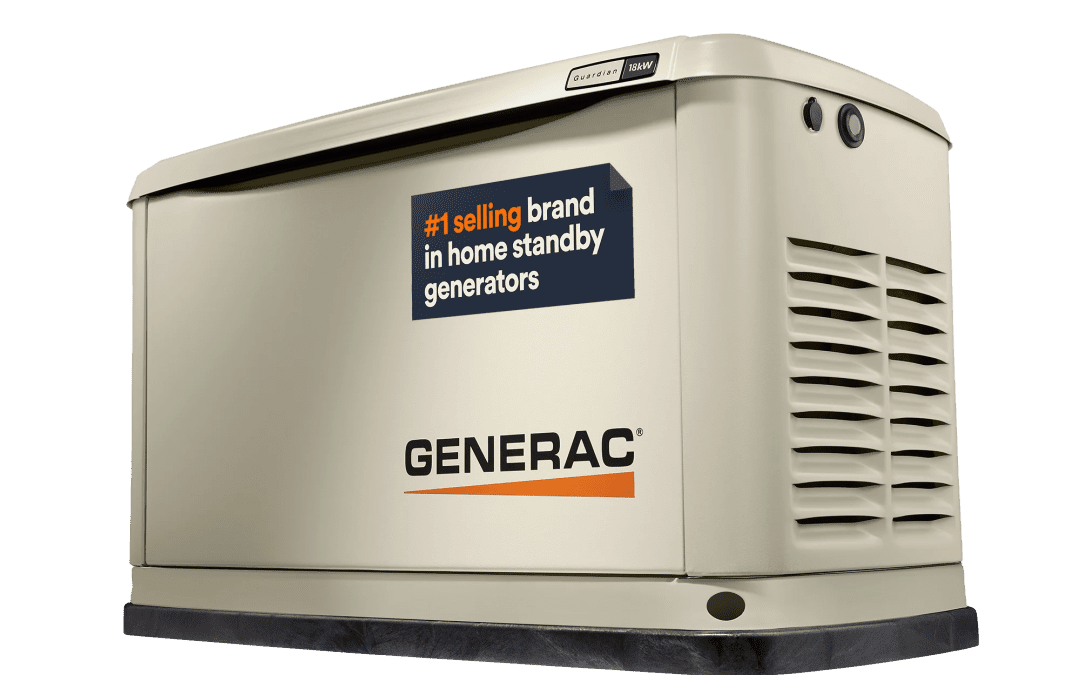
Generac 14kW standby generator system ready for winter outages in Calgary

Spring in Calgary can be unpredictable. Late snow, heavy wind, and rapid melt can all show up in the same week, and power interruptions tend to follow at the worst possible time. Most homeowners don’t plan for standby power until they’ve had one outage that makes them rethink everything.

This post answers two questions Calgary homeowners actually care about:

  • What should you power first during an outage?

  • What size standby generator do you really need?

For city resources and general updates during storm events, you can also reference the City of Calgary.

From the field in Calgary (Crew Electrical Services)

Crew Electrical Services: What we see every spring in Calgary
Every spring in Calgary, the calls usually start after a late snowstorm or heavy wind event when trees drop branches onto power lines. The most common theme isn’t panic, it’s realization. Homeowners call us saying, “We didn’t think this would happen in May,” especially when overnight temps still dip below zero. A lot of people lose power just long enough for furnaces to shut down and fridges to start warming up. The other big concern are sump pumps during spring melt, once people realize their pump is dead, the urgency spikes fast. Many of these calls come from newer homes in rural areas that assume the grid is more reliable than it actually is. Spring outages here are short but disruptive, which is exactly why people start thinking about standby power.

If you want to see what sets Crew Electrical Services apart, start here: Why Crew Electrical Services.

What should you power first during a Calgary outage?

A good standby plan isn’t about powering everything. It’s about keeping your home safe, livable, and protected from damage. For most Calgary homes, “essentials” looks like this:

1) Furnace (heat comes first)

In Calgary, heat is the priority even in spring. If your furnace is off for hours during a cold snap, the house gets uncomfortable fast. Standby power keeps the furnace controls and blower running so you can maintain heat.

2) Fridge and freezer

Power doesn’t have to be out for days to create a food problem. Fridges warm up, freezers start thawing, and suddenly you’re throwing out groceries.

3) Sump pump (especially during spring melt)

If you have a sump pump, this is one of the most important circuits to protect. Spring melt plus an outage can turn into a basement issue quickly.

4) A few lights, key outlets, and Wi-Fi

After heat and damage prevention, most homeowners want a basic “normal life” layer: a few lights, a couple outlets, Wi-Fi, and often the garage door.

Do I need whole-home backup or just essentials?

Most homeowners ask for whole-home backup at first. Then they walk through their real priorities and change their minds. That’s not downsizing. That’s being practical.

Crew Electrical Services: What homeowners think they need vs what they really need
Most homeowners usually want “whole-home power,” but once we walk them through real use, people’s priorities change. The top things people actually want powered are the furnace, fridge/freezer, sump pump, a few lights, and Wi-Fi. Things like EV chargers, hot tubs, and electric ranges sound important at first, but they quickly become secondary once people understand generator sizing and cost. In Calgary, keeping heat on is the priority, even in spring. Food preservation and basement flooding usually come next. Once homeowners see that a properly sized generator can comfortably handle essentials, they realize whole-home backup isn’t necessary for peace of mind.

If you’ve added bigger electrical loads recently, that matters when planning backup power. Common examples include:

What size standby generator do I need?

The honest answer: it depends on your priorities and your home’s real electrical load. The wrong way to size a generator is guessing based on square footage. The right way is planning what you actually want to run and checking what your service and panel can support.

Step 1: Choose your “backup level”

Most homeowners fall into one of these:

  • Essentials backup: furnace, fridge/freezer, sump pump, a few lights, Wi-Fi

  • Essentials + comfort: essentials plus more circuits for convenience

  • Expanded backup: more coverage, but still limited by big electric loads

Step 2: Identify big loads that change sizing and cost

These loads often push generator sizing up, or require smarter load management:

  • EV chargers

  • Hot tubs

  • Electric ranges

  • Air conditioning

  • Basement suites

Step 3: Load calculation is what prevents expensive surprises

This is the part that protects you from buying the wrong system or discovering mid-project that your home needs upgrades first.

Crew Electrical Services: One real install lesson we’ve learned the hard way
One of the biggest lessons we’ve learned is that panel capacity surprises people. Homes with 100-amp services often have way more electrical load than homeowners realize, especially with added EV chargers, air conditioners, hot tubs or basement suites. We regularly see panels installed in houses that look and function “fine” until we actually do a load calculation. Placement is another big issue, generator location has to work for code, noise, exhaust clearance, and snow buildup and not just convenience. Panels are often covered from renovations or in non accessible areas. We’ve also learned that future planning matters. If we size just for today, we can encounter roadblocks later. Doing homework upfront and planning for the future avoids expensive changes down the road.

If your panel or service is limiting the plan, you may need a panel upgrade before moving forward.

Where can a standby generator be installed?

Generator placement needs to meet safety and clearance requirements, and Calgary weather adds practical considerations. The best spot is the one that works for:

  • Code and clearances

  • Noise and exhaust direction

  • Snow buildup and access

  • A clean, safe run back to your electrical equipment

If you’re already dealing with electrical issues or unreliable circuits, start with troubleshooting and repairs before planning standby power.

Permits and inspections in Calgary

Crew Electrical Services: Permits and inspections
Permits are required for home safety and the safety of the utility operators in Alberta. Permits and inspections are part of doing generator installs properly in Calgary, and we handle all the coordination so it’s not a homeowner side quest.

Generator support in Calgary and surrounding areas

Crew Electrical Services serves Calgary and nearby communities including Coventry Hills, Springbank Hill, Auburn Bay, Altadore, and Lake Bonavista. We also work in Rocky View County, Airdrie, and Cochrane.

Ready to plan standby power for spring?

If you want standby power that’s sized to your real priorities and your home’s actual capacity, start here:

Follow: Instagram, Facebook, LinkedIn.
Back to Home.

FAQ: Calgary spring outages and standby generator sizing

What should I power first during a Calgary outage?

Start with your furnace, then fridge/freezer, then sump pump (if you have one). After that, add a few lights, key outlets, and Wi-Fi.

What size standby generator do I need?

The right size depends on what you want backed up and your home’s actual electrical load. A load calculation prevents overbuying or underplanning.

Do I need whole-home backup?

Usually not. Most homeowners choose an essentials or essentials + comfort setup and skip powering everything.

Will an EV charger or hot tub change the generator size I need?

Yes. Large electric loads can push sizing up and can expose limits in your service or panel capacity.

Will I need a panel upgrade before installing a standby generator?

Not always, but it’s common when electrical demand is higher than people realize or panel capacity is limited.

Where can a standby generator be installed?

Placement must meet clearance and safety requirements and should consider noise, exhaust direction, and snow buildup.

Does Crew Electrical Services handle permits and inspections?

Yes. Permits and inspections are part of doing generator installs properly in Calgary, and Crew Electrical Services coordinates the process.

Get Started

Plan Standby Power For Spring

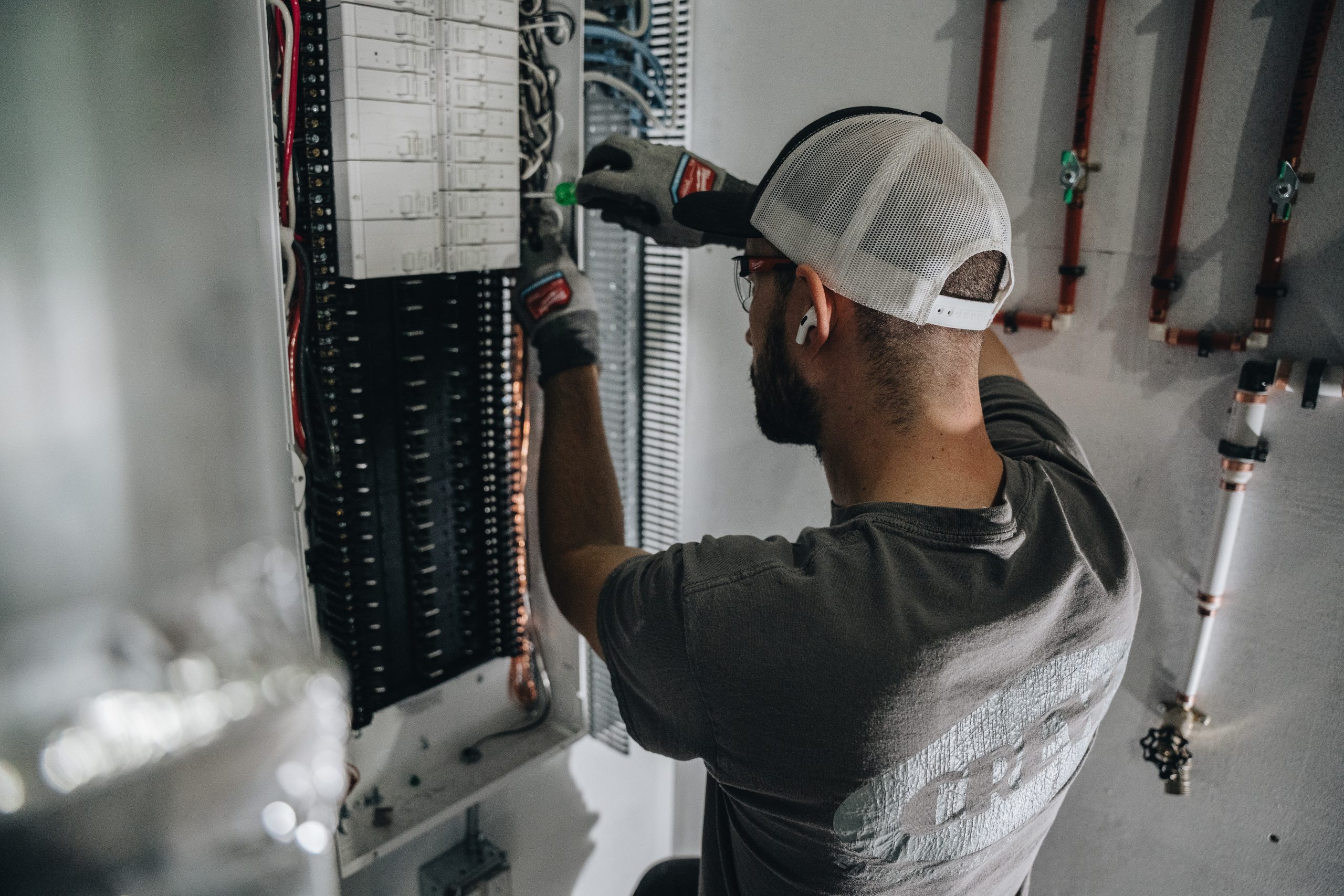
Crew Electrical Services electrician upgrading an electrical panel in an Altadore home.

Online Electrical Estimates in Calgary

Online Electrical Estimates in Calgary

Residential Electrician

Online Electrical Estimates in Calgary

Online electrical estimate in Calgary submitted to Crew Electrical Services with panel photo.

Electrical scope is visual. A clear photo of your panel, the device, and the space answers 80% of the questions that usually take a phone call and a truck roll. Our online process turns those photos into:

  • a realistic price range

  • a clear description of what we’ll do

  • any permits or coordination we expect

  • the fastest next step

You get clarity without waiting for a calendar slot. We arrive prepared, with the right parts and a plan that matches your home.

What You Can Price Online (With Good Accuracy)

Troubleshooting and small repairs. If you’re seeing a tripping breaker, flicker, or a warm device, upload a panel photo and the device. We’ll reply with a range and the first diagnostic step. See Electrical Troubleshooting & Repair.

EV charger installation. A photo of the panel and the garage wall tells us most of what we need. We size the circuit and map a clean route. Details: EV Charger Installation.

Lighting and ceiling fans. Show ceiling height, existing fixtures, and switches. We’ll sketch a simple plan with placement and dimming. More on Lighting & Ceiling Fans.

Small power adds. Appliances, garage heaters, exterior outlets — if the route is visible, we can price it from photos. See Power & Equipment Installation.

Panel questions. If you’re out of spaces or planning new loads, send a panel shot and the legend. We’ll outline the cleanest path. Read about Electrical Panel Upgrades

If your project lives in Calgary or nearby communities like Altadore, Lake Bonavista, Springbank Hill, Coventry Hills, Auburn Bay, Airdrie, Cochrane, or Rocky View County, the online estimate speeds everything up. Our Calgary service area page covers coverage at a glance.

How Our Online Estimate Works (Start to Finish)

Tell us what you need. Use the online form to pick a service and describe your goal or the symptom. Plain language is fine.

Add photos.

  • Panel and panel legend

  • The work area (one wide shot, one close-up)

  • The nameplate of any device we’re adding (EV charger, hot tub, AC)

Receive a ballpark and a plan. We send a range, outline the steps, and flag permits or coordination up front. If the job clearly requires a site review, we book it and arrive with context so the visit is short.

Approve and schedule. Once you’re ready, we confirm timing. On the day, we work cleanly, label what we add, and walk you through what changed.

Prefer a conversation first
Use Contact and we’ll guide you through the same steps.

“How Much Do Electricians Charge in Alberta” vs. What You Actually Pay

Rates make headlines, but projects drive totals. Most residential work in Calgary is priced by scope, not the minute. What moves the price:

  • scope (new wiring vs replacing a device)

  • access (finished ceilings, tile, tight utility rooms take more care)

  • protection and permits (GFCI/AFCI where required, City of Calgary permits when the job needs them)

  • panel capacity (a neat install still has to fit your service)

  • manufacturer requirements (EV chargers, hot tubs, AC units have specific instructions that protect warranties)

Our online estimate translates those variables into a plain-language range. No teaser numbers. No surprises on site.

When We’ll Recommend A Site Visit First

Some issues are safety-sensitive or hidden behind finishes. If you report heat, burning smell, water, storm damage, or visible arcing, we move straight to an on-site assessment. If the project is large (suite wiring, full basement, new service), we meet you in person, take measurements, and produce a written scope. For urgent events, our Disaster Response page explains first steps.

What You Can Expect From Crew Electrical Services

We keep routing straight, boxes square and level, and labeling clear so future service is fast. We follow manufacturer specs and local code, handle permits and inspections, and respect your schedule and your space. If plans change on site, we explain why and adjust cleanly.

If you want a quick read on how we work, here’s Why Crew.

Examples That Start With Online Estimates

EV charger in a detached garage. You send a panel photo and the garage wall. We reply with a route and a realistic range. On the day, we arrive with materials sized for your panel and place the charger where the cable falls naturally.

Kitchen lighting refresh. You share a photo of the ceiling and the switches. We propose a simple layer plan with dimming and placement that avoids shadows over the counter.

Hot tub connection. You submit the model plate and the proposed disconnect location. We outline the dedicated circuit, protection, and placement so it passes inspection the first time.

Planning Bigger Upgrades

If you’re exploring standby power or solar, the online estimate still gets you moving in the right direction. We’ll map the sizing conversation and the first milestone.

Frequently Asked Questions

Do I need a site visit for every estimate?
No. Many repairs and small installs can be scoped from photos. If safety or hidden conditions are likely, we’ll book a short on-site review.

How accurate is the online estimate?
It’s a realistic range based on your photos and notes. If anything changes on site, we explain why and adjust cleanly.

Do you handle permits in Calgary?
Yes. When a permit is required, we apply, schedule inspections, and meet the inspector.

What areas do you serve?
Calgary and nearby communities, with frequent calls in Altadore, Lake Bonavista, Springbank Hill, Coventry Hills, Auburn Bay, Airdrie, Cochrane, and Rocky View County.

Get Started

Ready To Try It?

Skip the back-and-forth. Share a few photos, get a ballpark, and move forward with confidence. Start your Online Estimate now. If you’d rather talk first, reach us via Contact. For a full service list, visit Residential.

Electrician Near Me in Calgary: What To Expect From a Pro

Electrician Near Me in Calgary: What To Expect From a Pro

Residential Electrician

Electrician Near Me in Calgary: What To Expect From a Pro

Electrician near me in Calgary by Crew Electrical Services installing a clean, labeled residential panel

If you’re searching “electrician near me in Calgary,” you want straight answers and work that passes inspection the first time. Crew Electrical Services handles small fixes, planned upgrades, and full projects with tidy routing, clear labeling, and plain-language communication. Start by requesting a visit through Get a Quote and we’ll map the plan.

What To Expect On The First Call

We begin with a short conversation and a quick photo if it helps. An on-site visit follows to confirm scope and safety. You get a simple plan that shows what we’ll install, where it goes, and how long it takes. When the work is complete, we walk you through what changed and label anything new so future service is fast.

Fast Help For Common Electrical Problems

Breaker keeps tripping. Repeated trips usually point to overload, loose terminations, or a failing device. We test, separate loads when needed, and size the circuit correctly. If the panel is genuinely out of room, we’ll discuss a clean electrical panel upgrade.

Lights flicker. Causes include a loose neutral, dimmer incompatibility, or voltage drop from heavy loads. We find the real issue and correct it so lighting stays steady. For persistent problems, start with electrical troubleshooting & repair.

Warm outlets or a hot smell. Heat is a warning sign. Our electricians check box fill, device condition, and terminations, then replace or rework for a safe result that looks intentional.

Outdoor and wet-area outlets. Calgary weather is hard on exterior gear. We install proper GFCI protection, in-use covers, and labeling so resets are easy.

Projects We Handle Every Week

EV charger installation. We confirm panel capacity, size a dedicated 240 V circuit, place the charger where the cable lands naturally, and route wiring neatly. See EV charger installation for details.

Hot tub and AC connections. Both need dedicated circuits, correct grounding and bonding, and an accessible disconnect. We follow manufacturer instructions and coordinate with your installer.

Lighting and ceiling fans. Rooms work better with layered light. We plan general light for comfort, task lighting for work, and simple control you’ll actually use. Learn more at lighting & ceiling fan installation.

Basement and renovation wiring. Outlets land where cords disappear. Switches sit where your hand reaches without thinking. Media power hides behind the display with a clean path for low-voltage gear. We keep the site organized so other trades move faster.

Generac Generator Installation For Calgary Homes

Outages happen. A correctly sized standby system keeps essentials running without dragging cables through a doorway. Crew Electrical Services installs Generac standby generators with matched automatic transfer switches. We size the unit for your home, plan priority circuits, coordinate permits and inspections, and keep the layout tidy for future service. Explore options here: Generac generator installation.

Permits And Inspections Made Simple

Many projects in the City of Calgary need an electrical permit. We apply, schedule, and meet the inspector so you don’t have to. You get documented, code-compliant work that protects you during insurance claims and resale. If you want to review local requirements, the City site is here: Calgary.

Plan Ahead For Future Projects

Tell us what might be next. If you expect a second EV, a hot tub, exterior lighting, or a suite, we can reserve panel spaces and add labeled conduit paths now. Planning ahead keeps walls closed later and shortens the next project.

Older Homes And Finished Spaces

Calgary mixes new builds with originals that hide surprises behind drywall. We maintain working clearances at the panel, route for serviceability, and avoid unnecessary openings. When access is required, we place it with care and finish it cleanly. Hardware and sealants are chosen for local weather.

Neighborhoods We Serve

Our team works across the city and nearby communities. You’ll often see our vans in Altadore, Lake Bonavista, Springbank Hill, Coventry Hills, and Auburn Bay. Start with our Calgary service area if you want a quick overview.

Why Choose Crew Electrical Services

You want an electrician who respects your home and communicates clearly. Calgary homeowners choose Crew Electrical Services because the details add up: straight runs, square devices, labeled panels, and parts selected for our climate. We show up, build it right, and leave your space tidy.

FAQs

Do I need a permit for residential electrical work in Calgary
Many projects do. Crew Electrical Services handles the permit and inspection so the work is documented and code-compliant.

Why does my breaker keep tripping
Overload, loose terminations, or a failing device are common causes. We test, separate loads, and size the circuit correctly.

Can you install an EV charger if my panel is full
Often yes with load management. If not, we plan a clean panel or service upgrade.

What areas do you serve
Calgary and nearby communities, with frequent calls in Altadore, Lake Bonavista, and Springbank Hill.

Get Started

Ready To Get Started?

If you searched “electrician near me in Calgary,” you’re in the right place. Request a visit through Get a Quote or reach us on the Contact page.

Why Is My Breaker Constantly Tripping? A Calgary Expert Explains

Why Is My Breaker Constantly Tripping? A Calgary Expert Explains

Troubleshooting & Repair

Why Is My Breaker Constantly Tripping? A Calgary Expert Explains

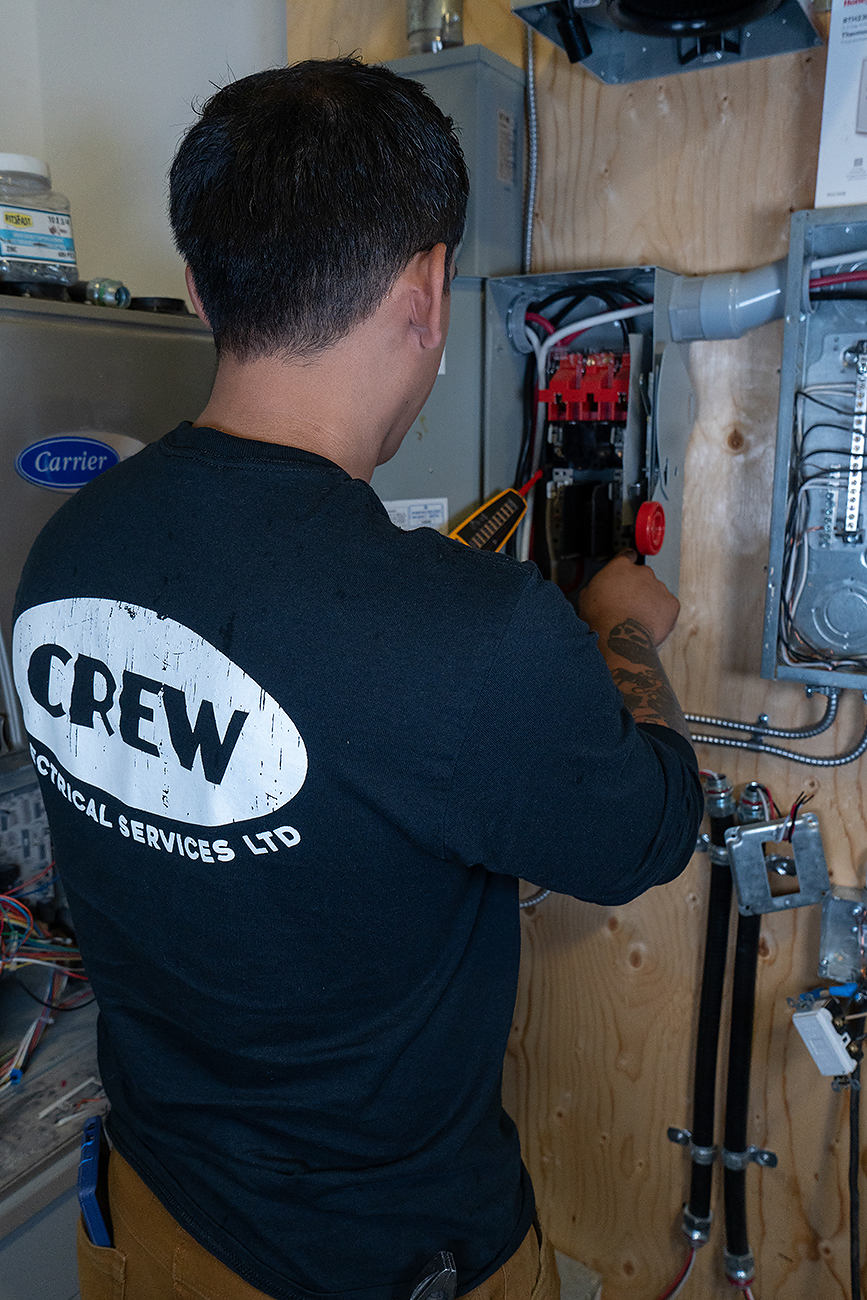
A certified CREW Electrical electrician using a multimeter to troubleshoot an electrical panel in a Calgary home to diagnose a circuit fault.

Click.

Suddenly, the lights go out, the TV goes silent, and you’re left in the dark. That familiar sound of a circuit breaker tripping is more than just an annoyance—it’s a crucial message from your home’s electrical system. While it’s frustrating to have your power cut off and wonder why is my breaker constantly tripping – it’s important to understand that your breaker is doing exactly what it was designed to do: protect you.

That Familiar Sound: Why a Tripped Breaker is a Good Thing

Think of your circuit breaker panel as the nerve center of your home’s electrical system. Each breaker is a safety switch that constantly monitors the flow of electricity to a specific area or “circuit” in your home. When it detects an abnormal surge or an unsafe level of electrical current, it automatically trips, cutting off the power to that circuit.

This isn’t a malfunction; it’s a critical safety feature. By shutting down the power, the breaker prevents wires from overheating, which can melt their protective insulation and lead to a devastating house fire. It also protects your expensive electronics and appliances from being damaged by power fluctuations.

So, while a tripped breaker is inconvenient, it’s actually a sign that your electrical system is working to keep your family and your property safe. The real question isn’t why it tripped once, but why it keeps happening. A constantly tripping breaker is a persistent warning sign that there’s an underlying issue that needs to be addressed.

The 3 Main Reasons Your Breaker Keeps Tripping

A constantly tripping breaker in your Calgary home is typically a warning sign of one of three main issues: a circuit overload, where too many appliances are drawing power; a short circuit, a dangerous wiring fault that can cause a fire; or a ground fault, a specific type of short that poses a serious shock hazard. Identifying which one is the cause is key to ensuring your home’s safety.

Let’s break down each of these causes so you can understand what might be happening in your home.

The Common Culprit: Is Your Circuit Simply Overloaded?

By far, the most common reason for a circuit breaker to trip is a simple circuit overload. This is often the least dangerous cause and the easiest to identify.

What is a Circuit Overload?

Imagine your home’s electrical circuit is a highway. It’s designed to handle a specific amount of traffic (electrical current) safely. An overload occurs when you try to push too much traffic down that highway at once.

Every circuit in your home is rated for a maximum amount of amperage it can safely handle. When you plug in and run too many appliances on a single circuit simultaneously, their combined electrical demand can exceed that limit. This “traffic jam” of electricity causes the wires to heat up. Your breaker detects this dangerous heat build-up and trips to prevent a fire.

Telltale Signs of an Overloaded Circuit

Before a breaker trips from an overload, you might notice other warning signs. These are your electrical system’s way of telling you it’s under strain.

  • Flickering or Dimming Lights: Do your kitchen lights dim for a moment when the microwave starts? This is a classic sign that a high-draw appliance is maxing out the circuit’s capacity.
  • Buzzing Sounds: A faint buzzing or sizzling sound coming from an outlet or a light switch can indicate a loose connection or an overloaded circuit.
  • A Faint Burning Smell: A slight odor of burning plastic or dust near an outlet or your electrical panel is a serious warning that something is overheating.
  • Warm Outlet Covers: Outlet or switch plates that are warm to the touch are not normal. This heat is a direct result of excessive current flowing through the wires behind the plate.
  • Sluggish Appliances: If your vacuum cleaner seems less powerful than usual or your toaster takes longer to brown your bread, it could be because they aren’t receiving enough power from an overloaded circuit.

Your Safe Troubleshooting Checklist

If you suspect an overload, you can perform a simple, safe process of elimination to confirm it.

  1. Turn Off and Unplug: Go to the room or area that lost power. Turn off all the light switches and unplug every single appliance and electronic device from the outlets on that circuit.
  2. Reset the Breaker: At your electrical panel, locate the tripped breaker. It will likely be in the middle position, between “ON” and “OFF.” To reset it properly, you must first push the switch firmly all the way to the “OFF” position, and then flip it back to “ON.”
  3. Identify the Offender: Go back to the room and begin plugging in and turning on your devices one by one. Pause for a minute between each one. If the breaker trips again as soon as you turn on a specific appliance (like a space heater or a hair dryer), you’ve likely found the source of the overload.
  4. Redistribute the Load: High-power appliances like space heaters, air conditioners, microwaves, toasters, and hair dryers draw a significant amount of electricity. Try to avoid running more than one of these on the same circuit at the same time. Move one of the devices to an outlet in a different room, which is likely on a different circuit.

When an Overload Points to a Bigger Problem

If you’ve redistributed your appliances and the breaker still trips, or if a single large appliance trips the breaker even when it’s the only thing running, the issue is more than just a temporary overload. This often indicates that your home’s electrical system is no longer meeting the demands of modern life.

Many older Calgary homes were not built to handle the sheer number of electronic devices we use today. The solution is often to have a licensed electrician install a dedicated circuit. This is a circuit that serves a single, high-power appliance, ensuring it has all the power it needs without overloading the system. This is a common and necessary upgrade for modern kitchens (microwaves, air fryers), home offices (computers, printers), home gyms (treadmills), and workshops.

For modern kitchens, home offices, or workshops, having a licensed electrician install a dedicated circuit is often the best long-term solution. You can learn more about our professional(/residential/troubleshooting-repair) here.

Serious Faults: Red Flags That Demand an Immediate Call

If your troubleshooting points away from a simple overload, you could be dealing with a much more serious and dangerous electrical fault. These are not issues you should attempt to fix yourself. The following signs require an immediate call to a licensed electrician.

More Than an Overload: Understanding the Short Circuit

A short circuit is one of the most dangerous electrical malfunctions that can occur in your home. It happens when a “hot” electrical wire accidentally touches a “neutral” wire. This creates an unintended, low-resistance path for electricity to follow.

The result is a massive, uncontrolled surge of current that flows through the circuit in an instant. This surge generates intense heat, capable of melting wires and igniting surrounding materials like wood and insulation. This is a primary cause of electrical fires. When a short circuit occurs, your breaker is designed to trip instantly in a fraction of a second to stop this dangerous flow of current.

Warning Signs of a Short Circuit – Do NOT Ignore These

The signs of a short circuit are often sudden and alarming. If you experience any of the following, do not try to reset the breaker again.

  • The Instant Trip: You reset the breaker, and it trips again immediately, even with nothing plugged into the circuit. This is the clearest indication that the fault lies within the wiring in your walls, not with an appliance.
  • A Loud Pop or Sparks: A distinct popping sound, snapping noise, or visible sparks coming from an outlet, a switch, or the breaker panel itself is a sign of arcing electricity.
  • A Strong Burning Smell: Unlike the faint smell of an overload, the smell from a short circuit is often sharp and acrid, like burning plastic. This indicates that wire insulation is actively melting.
  • Scorched or Discolored Outlets: Any black or brown marks around the slots of an outlet are evidence of dangerous arcing and heat damage. Stop using that outlet immediately.

The Ground Fault: A Direct Threat of Electrocution

A ground fault is a specific and particularly dangerous type of short circuit. It occurs when a hot wire comes into contact with a grounded part of the system—like the metal outlet box inside your wall, the ground wire, or the metal casing of an appliance.

This creates an unintended path for electricity to flow directly to the ground. The extreme danger here is that if you touch the faulty appliance or conductive material, your body can become that path to the ground. This can result in severe electrical shock or electrocution.

The risk of a ground fault is significantly higher in areas where electricity and water can mix, such as kitchens, bathrooms, laundry rooms, garages, and outdoor outlets. This is why modern electrical codes require special Ground Fault Circuit Interrupter (GFCI) outlets in these locations. A GFCI outlet monitors for ground faults and can shut off power in milliseconds, long before a dangerous shock can occur.

Other Hidden Causes a Professional Can Find

Sometimes, the reason for a tripping breaker is less obvious and requires the diagnostic tools and experience of a professional.

  • A Worn-Out Breaker: Circuit breakers are mechanical devices with internal springs and contacts. Over time and after many trips, they can simply wear out and fail, tripping unnecessarily or not tripping when they should.
  • Arc Faults: Different from a short circuit, an arc fault occurs when old, damaged, or loose wiring creates tiny, intermittent sparks (arcs). These arcs are like tiny lightning strikes that generate immense heat and are a leading cause of electrical fires.
  • Hidden Wiring Damage: Behind your walls, wiring can be damaged by rodents chewing on insulation, a poorly placed screw or nail during a renovation, or simply degradation due to age, especially in older homes with aluminum wiring.

Your Path to a Safe and Reliable Electrical System

A tripping breaker might start as a small inconvenience, but ignoring it can lead to serious consequences.

The High Cost of Waiting to See Why is My Breaker Constantly Tripping

Continuously resetting a breaker without addressing the root cause is a gamble you should never take. The potential outcomes of ignoring the problem are severe: devastating house fires, irreparable damage to your sensitive electronics and major appliances, and the life-threatening risk of electrical shock.

Your tripping breaker isn’t the problem; it’s the alarm bell. It’s your home’s electrical system warning you that a dangerous condition exists. The only safe response is to have it professionally investigated.

Why a Licensed Electrician is Your Best Investment

When you call a licensed electrician from Crew Electrical Services, you’re investing in peace of mind. We don’t just treat the symptom by flipping a switch; we use specialized diagnostic tools and years of experience to find the root cause of the problem.

We can determine if you have a dangerous short circuit in your walls, if an aging breaker needs replacement, or if your home could benefit from a dedicated circuit to support your modern lifestyle. A professional diagnosis ensures a correct and safe fix the first time, protecting your family and your property. This commitment to quality and safety is our promise to you.

Don’t Guess With Your Safety – Call Crew Electrical Services

If your breaker is constantly tripping, it’s time to stop the frustrating cycle of resetting and guessing. Your family’s safety is too important to leave to chance. For a professional diagnosis and a safe, lasting solution, trust the licensed experts at Crew Electrical Services. We respect your time and your home, providing clear explanations and quality workmanship for every Calgary family we serve.

Experiencing frequent breaker trips? Call Crew Electrical Services today or schedule a professional diagnosis online to ensure your home is safe. Get a quote!